

Difference Between Life Insurance and General Insurance

Difference Between Life Insurance and General Insurance: A Complete Guide Insurance plays a critical role in financial planning by protecting individuals and families from unexpected risks and financial losses. However, many people often get confused between life insurance and general insurance, assuming they serve the same purpose. While both are essential components of risk management, they differ significantly in terms of coverage, objectives, duration, and benefits. Understanding the difference between life insurance and general insurance is important for making informed financial decisions. Choosing the right type of insurance ensures that you are adequately protected against both life-related uncertainties and day-to-day risks. This blog explains the key differences in a simple, detailed manner to help you understand how each type of insurance works and why both are important. What Is Insurance? Insurance is a financial arrangement in which an individual pays a fixed amount, known as a premium, to an insurance company in exchange for protection against specific risks. In the event of a covered loss, the insurer provides financial compensation as per the policy terms. Broadly, insurance can be classified into two major categories: Life Insurance General Insurance Each type addresses different kinds of risks and serves different financial goals. What Is Life Insurance? Life insurance is a contract that provides financial protection to the policyholder’s family or nominees in the event of the policyholder’s death. In some cases, it also offers maturity benefits if the policyholder survives the policy term. The primary objective of life insurance is to provide financial security to dependents and ensure long-term financial stability. It is often used as a tool for income replacement, wealth creation, and financial planning. Key Features of Life Insurance: Covers the risk of death Long-term policy duration Offers death and/or maturity benefits Helps in financial planning and savings Provides support to family members after the policyholder’s demise Types of Life Insurance Policies Life insurance policies come in various forms to suit different needs: Term Life Insurance: Provides pure life cover for a specific period. If the policyholder passes away during the term, the nominee receives the sum assured. Endowment Plans: Offer both insurance and savings. A payout is made either on death or at the end of the policy term. Whole Life Insurance: Provides coverage for the entire lifetime of the policyholder, usually up to a specified age. Unit Linked Insurance Plans (ULIPs): Combine life insurance with investment options, allowing policyholders to invest in equity or debt funds. What Is General Insurance? General insurance covers non-life-related risks such as health issues, accidents, property damage, travel-related losses, and vehicle damage. It provides financial compensation for specific losses incurred due to unforeseen events. The main purpose of general insurance is risk coverage rather than savings or investment. These policies typically have a short-term duration, usually one year, and need to be renewed regularly. Key Features of General Insurance Covers non-life risks Short-term coverage No maturity benefits Focuses on indemnity (compensation for loss) Protects assets, health, and liabilities Types of General Insurance General insurance includes several categories, each addressing different risks: Health Insurance: Covers medical expenses arising from illness, hospitalization, and treatments. Motor Insurance: Provides coverage for vehicle damage, theft, and third-party liabilities. Home Insurance: Protects residential property and belongings against risks such as fire, theft, and natural disasters. Travel Insurance: Covers travel-related risks including trip cancellations, medical emergencies, and baggage loss. Commercial Insurance: Covers business-related risks such as property damage, liability, and employee-related risks. Difference Between Life Insurance and General Insurance Understanding the difference between life insurance and general insurance becomes easier when comparing them across key parameters. Nature of Risk Covered: Life insurance covers the risk of death or survival beyond a specific period. General insurance covers risks related to health, property, vehicles, travel, and accidents. Policy Duration: Life insurance policies are long-term and may last for decades. General insurance policies are usually short-term, typically one year, and require regular renewal. Purpose: Life insurance serves as a financial safety net for dependents and also supports long-term financial goals. General insurance focuses on providing immediate financial relief in case of loss or damage. Payout Structure: Life insurance pays a fixed sum assured either on death or maturity. General insurance pays compensation based on the actual loss incurred, subject to policy limits. Savings and Investment Component: Life insurance often includes a savings or investment element. General insurance does not offer any savings or investment benefits. Premium Structure: Life insurance premiums are generally lower when purchased at a young age and remain stable over time. General insurance premiums depend on risk factors and may change upon renewal. Claim Settlement Process In life insurance, claims are straightforward and are paid upon death or maturity, provided policy conditions are met. The payout amount is predetermined and not linked to actual expenses. In general insurance, claims are indemnity-based. The insurer assesses the loss and reimburses expenses up to the policy limit. Proper documentation and verification are required before claim settlement. Tax Benefits Life insurance policies often offer tax benefits on premiums paid and payouts received, subject to prevailing tax laws. This makes life insurance an important tax-saving instrument. General insurance also offers tax benefits, particularly on health insurance premiums, but payouts are usually not taxable as they are meant to reimburse expenses. Why You Need Both Life Insurance and General Insurance Life insurance and general insurance serve different but complementary purposes. Life insurance ensures that your family remains financially secure in your absence. General insurance protects you from financial shocks arising from medical emergencies, accidents, or damage to assets. Relying on only one type of insurance can leave gaps in your financial protection. A comprehensive financial plan includes both life and general insurance to address long-term and short-term risks effectively. Final Thoughts Understanding the difference between life insurance and general insurance is essential for building a strong financial foundation. While life insurance focuses on protecting loved ones and securing the future, general insurance safeguards against everyday risks and unexpected losses. Both types of insurance play a
Importance of Retirement Planning

Importance of Retirement Planning: Why Securing Your Future Should Start Today Retirement is often imagined as a time of rest, freedom, and personal fulfillment, a phase where work-related stress fades and life slows down. However, for many people, retirement becomes a period of financial uncertainty instead of comfort. Rising living costs, increasing healthcare expenses, and longer life expectancy have made financial security after retirement more challenging than ever before. This is where understanding the importance of retirement planning becomes crucial. Retirement planning is not just about saving money; it is about ensuring independence, dignity, and peace of mind in the later years of life. Whether you are in your 20s just starting your career or in your 40s juggling multiple responsibilities, planning for retirement early can significantly shape your quality of life in the future. What Is Retirement Planning? Retirement planning is the process of preparing financially for life after regular employment ends. It involves estimating future expenses, identifying income sources, building savings, making suitable investments, and managing risks such as inflation and healthcare costs. Unlike short-term financial planning, which focuses on immediate goals like buying a house or funding education, retirement planning is a long-term commitment. It requires discipline, consistency, and periodic review to ensure that your financial strategy aligns with changing life circumstances. At its core, retirement planning aims to help individuals maintain their desired lifestyle even when they no longer earn a regular income. Why the Importance of Retirement Planning Is Greater Today In earlier generations, retirement often came with pension benefits and strong family support systems. Today, the situation is very different. Several social and economic changes have increased the need for proactive planning. One of the biggest factors is increased life expectancy. People are living longer, which means retirement can last 20 to 30 years or more. Without adequate savings, sustaining expenses for such a long period becomes difficult. Additionally, the cost of living continues to rise steadily. Inflation affects everything, from groceries to housing and healthcare. Medical expenses, in particular, tend to increase with age, making healthcare one of the biggest financial risks during retirement. Traditional pension systems are also becoming less common, especially for private-sector employees and self-employed individuals. As a result, personal savings and investments play a much larger role in post-retirement financial security. These realities clearly highlight the growing importance of retirement planning in today’s world. Key Benefits of Retirement Planning Financial Independence After Retirement: One of the most significant benefits of retirement planning is financial independence. A well-planned retirement allows individuals to meet their daily expenses without relying on children, relatives, or external support. Financial independence ensures that personal decisions such as where to live or how to spend time are not dictated by financial limitations. Peace of Mind and Emotional Security: Knowing that you have prepared for the future provides a sense of calm and confidence. Retirement planning reduces anxiety related to unexpected expenses and helps individuals enjoy their retirement years without constant financial worry. Protection Against Inflation: Inflation can silently erode purchasing power over time. Retirement planning incorporates long-term investment strategies that help savings grow and keep pace with inflation. This ensures that your money retains its value even decades later. Ability to Maintain Lifestyle Choices: Retirement should not mean giving up comforts or passions. With proper planning, individuals can continue hobbies, travel, or pursue personal interests. Retirement planning allows you to live life on your own terms rather than making compromises due to financial constraints. Consequences of Not Planning for Retirement Failing to plan for retirement can lead to serious long-term consequences. One of the most common risks is outliving savings. Without a structured plan, people often underestimate how long their money needs to last. Another consequence is financial dependence. Relying on family members for basic needs can strain relationships and impact self-respect. Healthcare expenses can also become overwhelming without adequate savings or insurance coverage. Many people who neglect retirement planning are forced to work longer than they would like, not out of choice but necessity. These challenges clearly demonstrate why ignoring the importance of retirement planning can significantly affect quality of life. When Should You Start Retirement Planning? A common misconception is that retirement planning should begin later in life. In reality, the earlier you start, the easier and more effective it becomes. Planning in Your 20s and 30s: Starting early allows you to benefit from compounding, where returns earn returns over time. Even small, consistent contributions made early can grow into a substantial retirement corpus. Younger individuals can also afford to take calculated investment risks, which may offer higher long-term growth. Planning in Your 40s: For those in their 40s, retirement planning often requires balancing multiple responsibilities such as children’s education, home loans, and family expenses. This stage demands disciplined saving, increased contributions, and careful investment choices. Planning in Your 50s: Late starters still have options, but planning must be more focused. Reducing expenses, increasing savings, and prioritizing capital preservation become essential. While the margin for error is smaller, strategic planning can still improve retirement outcomes. How Much Money Do You Need for Retirement? The amount needed for retirement depends on several factors, including lifestyle expectations, location, healthcare needs, and inflation. Estimating retirement expenses involves calculating monthly costs such as housing, food, utilities, transportation, and medical care. It is also important to account for emergencies and rising medical expenses. Retirement planning is not static; goals and estimates should be reviewed regularly to reflect changing circumstances. Understanding these variables reinforces the importance of retirement planning in setting realistic and flexible financial goals. Role of Investments in Retirement Planning Investments play a central role in growing retirement savings. A well-balanced investment portfolio typically includes a mix of growth-oriented and stable assets, adjusted according to age and risk tolerance. Younger individuals may prioritize growth, while those closer to retirement may focus on stability and income generation. Strategic investing ensures that savings grow steadily while managing risk effectively. This approach further highlights the importance of retirement planning as
How Much Insurance Is Enough? A Simple Guide Most People Get Wrong

How Much Insurance Is Enough? A Simple Guide Most People Get Wrong Confused about how much life or health insurance you need? Learn how to calculate the right insurance coverage without overpaying or under-protecting your family. Buying insurance often feels confusing.Some people buy too little, hoping nothing goes wrong.Others buy too much, paying premiums they don’t need. The truth lies somewhere in between. This guide will help you understand how much insurance is actually enough — without fear, jargon, or sales pressure. Why “More Insurance” Isn’t Always Better Buying excessive insurance can: Strain monthly cash flow Reduce investments Create unnecessary complexity Insurance should protect your life — not restrict it. Life Insurance: Coverage Should Replace Income, Not Guess Numbers A simple way to think about life insurance: How many years should your family be financially secure? What expenses must continue? (EMIs, education, living costs) Coverage = Income replacement + liabilities – existing assets Avoid random multiples. Think in real-life terms. Health Insurance: Medical Inflation Changes Everything Medical costs rise faster than normal inflation.A cover that felt “enough” five years ago may not be enough today. Your health insurance should: Cover major hospital expenses Protect savings Allow cashless treatment The Danger of Underinsurance Underinsurance gives false comfort.When claims fall short, savings take the hit. Many people discover this only during a crisis. Insurance Needs Change With Life Your insurance needs evolve with: Marriage Children Home loans Career growth What worked earlier may not work now.That’s why regular reviews matter. WELFIN INSIGHT “The right insurance amount is not the cheapest or the highest it’s the one that fits your life.” December 29, 2025 How Much Insurance Is Enough? A Simple Guide Most People Get Wrong Read More December 29, 2025 Why Insurance Is the Foundation of Every Financial Plan Read More December 29, 2025 Retirement Planning Mistakes Most Indians Make Read More Confused about money decisions? Get clarity on investments, insurance & goals in one plan. Check Now Not sure if your insurance is enough? 👉 Get a Free Insurance Adequacy Check Get In Touch
Why Insurance Is the Foundation of Every Financial Plan

Why Insurance Is the Foundation of Every Financial Plan Insurance is not an investment or a tax tool. Learn why life and health insurance form the foundation of a secure financial plan and how to get it right. Most people think of insurance as something they have to buy.In reality, insurance is something you buy so your life plans don’t fall apart. Insurance is not about returns, tax savings, or paperwork.It’s about protecting everything you’re building — your income, your family, and your future. This article explains why insurance is the foundation of every strong financial plan and how to think about it the right way. Insurance Is Not a Tax Hack. It’s a Safety Net. Many people buy insurance only to save tax.That’s the wrong starting point. The real purpose of insurance is to protect your life from unexpected shocks — illness, accidents, or loss of income. Tax benefits are secondary.Protection comes first. One Medical Emergency Can Undo Years of Savings Healthcare costs are rising rapidly.Without health insurance, a single medical event can wipe out years of disciplined investing. Insurance ensures your savings stay invested instead of being used for emergencies. Life Insurance Protects People, Not Policies Life insurance is not about returns.It’s about continuity. If something happens to you, life should continue for your family — education plans, home EMIs, daily living. Insurance makes sure your absence doesn’t become a financial crisis. Insurance Gives You the Freedom to Take Smart Risks When your risks are covered, you can: Invest confidently Take career risks Plan long-term Insurance creates mental peace, which leads to better financial decisions. Underinsurance Is a Silent Risk Having insurance is not enough.Having enough insurance matters. Many people are underinsured — low cover amounts that don’t match today’s costs. A good plan reviews: Life cover adequacy Health cover limits Policy overlaps WELFIN INSIGHT “Insurance doesn’t make you rich. It makes sure a crisis doesn’t make you poor.” December 29, 2025 Why Insurance Is the Foundation of Every Financial Plan Read More December 29, 2025 Retirement Planning Mistakes Most Indians Make Read More December 29, 2025 Mutual Funds for Beginners: A Simple Guide to Start Investing Read More Confused about money decisions? Get clarity on investments, insurance & goals in one plan. Check Now Protect your life plan, not just your money. 👉 Book a Free Insurance Review with Welfin Get In Touch
Retirement Planning Mistakes Most Indians Make

Retirement Planning Mistakes Most Indians Make Avoid common retirement planning mistakes that can derail your financial future. Learn the right strategies to secure your retirement with Welfin’s expert guidance. Planning your retirement is one of the most important financial decisions you’ll make. Yet, many Indians unknowingly make mistakes that can jeopardize their future. From delaying planning to ignoring insurance, small errors today can lead to big consequences tomorrow. In this article, we’ll uncover the most common retirement planning mistakes and how you can avoid them creating a roadmap for a secure and worry-free retirement. Starting Too Late Many people postpone retirement planning, thinking there’s plenty of time.Why it’s a mistake: Starting late reduces the power of compounding, requiring much higher savings later. Tip: Start as early as possible, even with small contributions. Ignoring Inflation Ignoring inflation is a common oversight. Your retirement corpus may seem sufficient today, but rising costs will reduce its real value. Tip: Factor in inflation-adjusted returns when calculating your retirement corpus. Relying Solely on Fixed Deposits Fixed deposits feel safe, but for long-term retirement goals, they may not beat inflation. Tip: Diversify with mutual funds, equities, and debt instruments based on risk tolerance. Not Considering Health & Insurance Needs Healthcare costs often rise post-retirement. Ignoring insurance coverage can erode your retirement savings. Tip: Include health and life insurance as part of your retirement plan. Chasing Past Returns or Market Timing Many try to pick “high-performing” funds or time the market. This increases risk and stress. Tip: Follow a goal-based, disciplined investment plan instead. Lack of a Holistic Plan Retirement planning isn’t just about money. Ignoring tax planning, debts, and lifestyle goals can derail your plan. Tip: Take a holistic approach — integrate all aspects of your financial life. WELFIN INSIGHT “Retirement mistakes aren’t always obvious — but a life-first, goal-aligned plan prevents them.” December 29, 2025 Retirement Planning Mistakes Most Indians Make Read More December 29, 2025 Mutual Funds for Beginners: A Simple Guide to Start Investing Read More October 16, 2025 Mutual Funds vs Fixed Deposits: Which Is Better for Long-Term Wealth? Read More Confused about money decisions? Get clarity on investments, insurance & goals in one plan. Check Now Avoid costly mistakes in your retirement planning. 👉 Book a free 20-minute consultation with Welfin and create a holistic, worry-free retirement roadmap. Get In Touch
Mutual Funds for Beginners: A Simple Guide to Start Investing
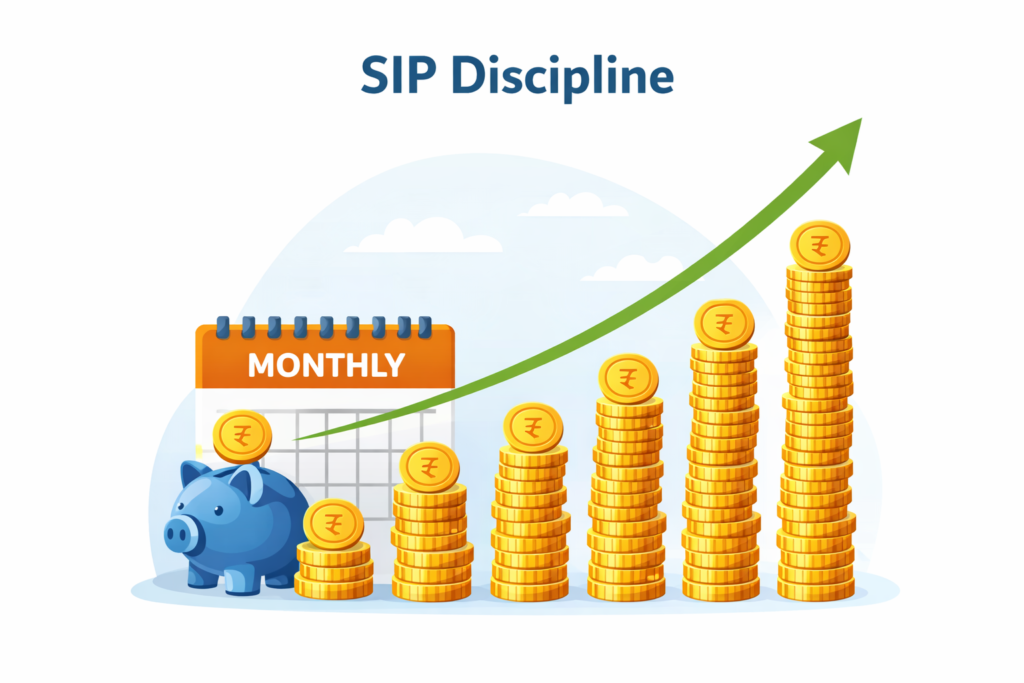
Mutual Funds for Beginners: A Simple Guide to Start Investing New to mutual funds? Learn how mutual funds work, types of funds, SIPs, risks, and how to start investing with confidence. If investing feels confusing or intimidating, you’re not alone.Mutual funds are one of the simplest ways for beginners to start investing—without needing expert knowledge. This guide explains mutual funds in plain language. WHAT IS A MUTUAL FUND? A mutual fund collects money from many investors and invests it across stocks, bonds, or other assets—managed by professionals. You don’t pick stocks.You pick a fund. HOW DO MUTUAL FUNDS WORK? You invest money Fund manager invests on your behalf Returns depend on market performance Value grows over time TYPES OF MUTUAL FUNDS Equity Funds: Higher growth, higher risk Debt Funds: Stable, lower risk Hybrid Funds: Balance of both 👉 Beginners usually start with hybrid or large-cap equity funds. WHAT IS SIP? A SIP (Systematic Investment Plan) lets you invest a small amount every month. Why SIPs are great for beginners: No timing stress Builds discipline Works well long-term WELFIN INSIGHT “Mutual funds reward patience, not prediction.” December 29, 2025 Mutual Funds vs Fixed Deposits: Which Is Better for Long-Term Wealth? – Copy Read More October 16, 2025 Mutual Funds vs Fixed Deposits: Which Is Better for Long-Term Wealth? Read More December 29, 2025 Mutual Funds vs Fixed Deposits: Which Is Better for Long-Term Wealth? – Copy Read More October 16, 2025 Mutual Funds vs Fixed Deposits: Which Is Better for Long-Term Wealth? Read More Confused about money decisions? Get clarity on investments, insurance & goals — in one plan. Check Now Not sure where to start or which funds suit you? 👉 Get guided by Welfin and build a plan you can stay invested in. Get In Touch
Mutual Funds vs Fixed Deposits: Which Is Better for Long-Term Wealth?

Mutual Funds vs Fixed Deposits Which Is Better for Long-Term Wealth? Confused between mutual funds and fixed deposits? Understand returns, risk, taxation, and which option suits your financial goals best. When it comes to saving and investing, most people face a familiar question:Should I invest in mutual funds or stick to fixed deposits? Both options have their place—but they serve very different purposes. Understanding the difference is key to making confident financial decisions. WHAT IS A FIXED DEPOSIT? Fixed deposits (FDs) are traditional savings instruments offered by banks and NBFCs. You invest a lump sum for a fixed period and earn a guaranteed interest. FDs are good for: Capital protection Short-term goals Emergency funds Conservative investors WHAT ARE MUTUAL FUNDS? Mutual funds pool money from multiple investors and invest it across equities, debt, or a mix of assets—based on the fund type. Mutual funds are good for: Long-term wealth creation Beating inflation Goal-based investing Disciplined investing through SIPs MUTUAL FUNDS VS FIXED DEPOSITS (COMPARISON TABLE) Factor Fixed Deposits Mutual Funds Returns Low to moderate Market-linked, higher potential Risk Very low Varies by fund type Inflation impact Often negative Can beat inflation Liquidity Medium High Tax efficiency Low Better (especially long-term) Wealth creation Limited Strong long-term WHICH ONE SHOULD YOU CHOOSE? Choose Fixed Deposits if: Your goal is short-term You need guaranteed returns Capital safety is your priority Choose Mutual Funds if: Your goal is long-term You want your money to grow faster You can handle short-term fluctuations 👉 The truth: Most people don’t need to choose one.A good financial plan uses both, for different purposes. WELFIN INSIGHT “Fixed deposits protect money. Mutual funds help it grow. A good plan knows where to use which.” December 31, 2025 Advantages of General Insurance Read More December 30, 2025 Retirement mistakes to avoid Read More December 30, 2025 Is mutual fund safe Read More Confused about money decisions? Get clarity on investments, insurance & goals in one plan. Check Now Confused about where your money should go? 👉 Talk to a Welfin advisor and align your savings and investments to one clear plan. Get In Touch
